Bronx Key Locksmiths Service Team
Local locksmith team
May 14, 2026 17 min read
You are standing outside your apartment on the Grand Concourse at midnight, keys sitting on the kitchen counter, and the door is not budging. Whether you are locked out of your home, your car, or your office, the question racing through your mind is the same one most people never think about until it happens: how does a locksmith open a locked door without damaging it? The honest answer involves real skill, the right tools, and a professional who knows which method fits your specific lock — not someone who reaches for a drill the moment things get inconvenient.
This guide walks you through what trained locksmiths actually do, why the approach changes depending on your lock type, and what you should expect when a qualified technician shows up at your door. We cover picking and bypass techniques at a conceptual level so you understand the process, explain why drilling is always a last resort, and help you recognize the signs of a professional doing the job right. Whether you have a standard door knob lock, a heavy-duty mortise lock, or something in between, knowing what should happen protects you as a homeowner or renter.
## How a Locksmith Assesses Your Door Knob Lock or Mortise Lock Before Touching Anything
A skilled locksmith does not immediately start poking tools into your lock the moment they arrive. The first step is always assessment. They will ask for proof of identity and ownership — a photo ID, a piece of mail with the address, a lease agreement — because verifying that you have the right to access the property is part of operating with integrity. Once that is confirmed, the technician examines the lock hardware itself. Is it a basic door knob lock on a bedroom or interior door? Is it a rim lock, a deadbolt, or a mortise lock set into the door's edge? Each type has its own internal mechanism and therefore its own appropriate opening method.
Understanding how a mortise lock works is central to this assessment. Unlike a cylindrical lock that fits through a drilled hole in the door face, a mortise lock is recessed into a pocket cut into the door's edge. It typically combines a latch bolt and a deadbolt in a single housing, operated by a rotating cam mechanism inside the case. This makes mortise locks significantly more secure and more complex to service — which is why mortise lock work is a core part of what experienced locksmiths handle every day. A technician who recognizes a mortise lock immediately knows that certain bypass methods are off the table and that the job calls for a more precise touch.
## The Right Way to Open a Locked Door: Picking, Bypass, and When Each Applies
Lock picking is the method most people associate with locksmiths, and for good reason — when done correctly by a trained professional, it opens the lock without leaving a single scratch. At a conceptual level, a pin tumbler lock (the kind inside most door knob locks and deadbolts) has a series of spring-loaded pins that must align at a precise height for the cylinder to rotate. A skilled technician uses tension and a pick to manipulate those pins into the correct position without a key. This is not something that happens in thirty seconds like in the movies — on a quality lock, it can take several careful minutes — but the result is a fully intact lock that works exactly as it did before.
Bypass techniques are a different category. Some locks can be opened by working around the locking mechanism rather than through it — for example, certain door knob locks with a privacy button on the interior side can be released through the pinhole on the exterior knob using a thin tool, no picking required. Shimming, card methods, and manipulation of specific lock designs fall into this family. A professional knows which bypass is appropriate and, critically, which ones are safe for your specific hardware. If you have ever found yourself locked out of your house and wondered whether calling your roadside assistance program is the right move, keep in mind that a dedicated mobile locksmith is specifically equipped and trained for residential and commercial lockouts in a way that general roadside services are not. If you are in the New York area and need help right now, call (347) 202-6675 — our team is available around the clock.
## Emergency Locksmith Response: What Drilling Actually Means and Why It Is the Last Resort
Drilling a lock is sometimes depicted as the go-to move, but among trained locksmiths it is understood as a destructive method used only when non-destructive options have been exhausted or are clearly not viable. Drilling works by targeting the shear line of the lock cylinder — essentially destroying the pin stack so the cylinder can be turned freely. The result is a lock that no longer functions and must be replaced. For high-security locks, especially a properly installed mortise lock with anti-drill plates and hardened steel inserts, even drilling becomes complicated and time-consuming.
A legitimate emergency locksmith will always tell you upfront if they believe drilling is necessary and explain why. They will also confirm the full cost of the service — including the replacement lock and labor — before any work begins. At Bronx Key Locksmiths, we confirm an exact up-front price that accounts for factors like your lock type, the time of day, travel distance to your location, and whether replacement parts are needed. You will never be surprised by the final number. If a technician shows up and immediately reaches for a drill without attempting non-destructive methods, that is a red flag worth paying attention to.
## Can a Locksmith Let Me Into My House? Commercial Locksmith and Residential Services Explained
Yes — a qualified locksmith can let you into your house, your car, your office, or virtually any space that uses a lock. The distinction people sometimes miss is the difference between a residential locksmith, a commercial locksmith, and an auto locksmith. Residential work covers home lockouts, deadbolt installation (yes, a locksmith can absolutely install a deadbolt, including upgrading you from a basic knob lock to a high-grade Schlage or Kwikset deadbolt on the spot), rekeying after a move, and mortise lock service. Commercial locksmith work involves master key systems, high-security access control, panic bar hardware, and the kind of heavy-duty mortise lock sets common in older New York commercial buildings and apartment lobbies — the style of building you will find throughout the South Bronx and along the waterfront near Hunts Point.
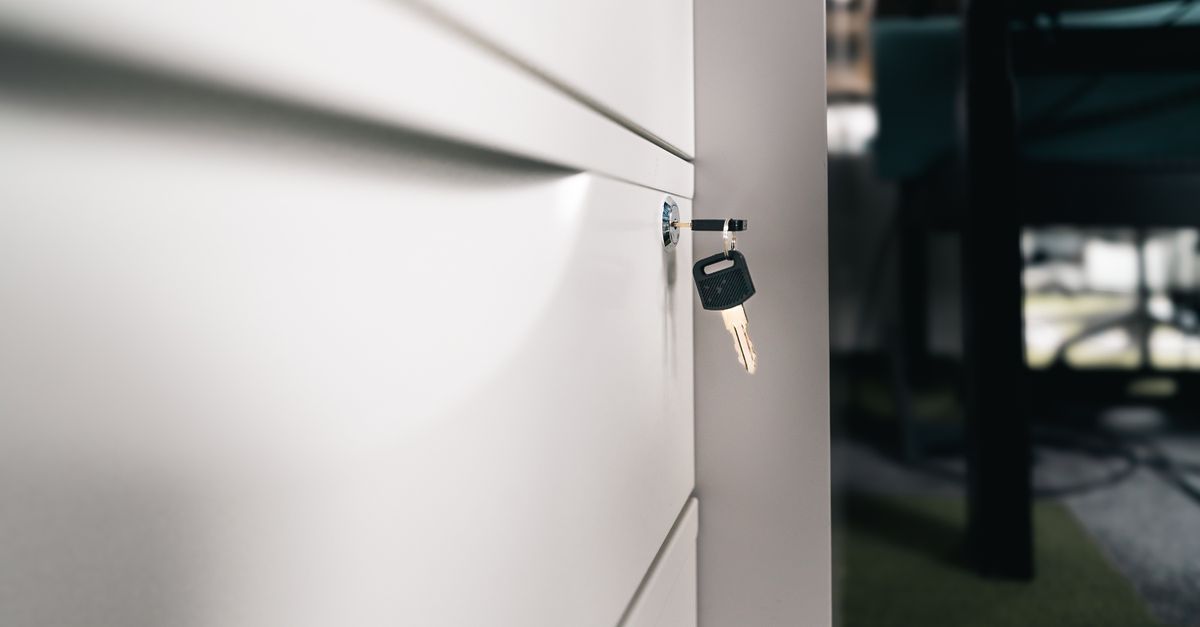
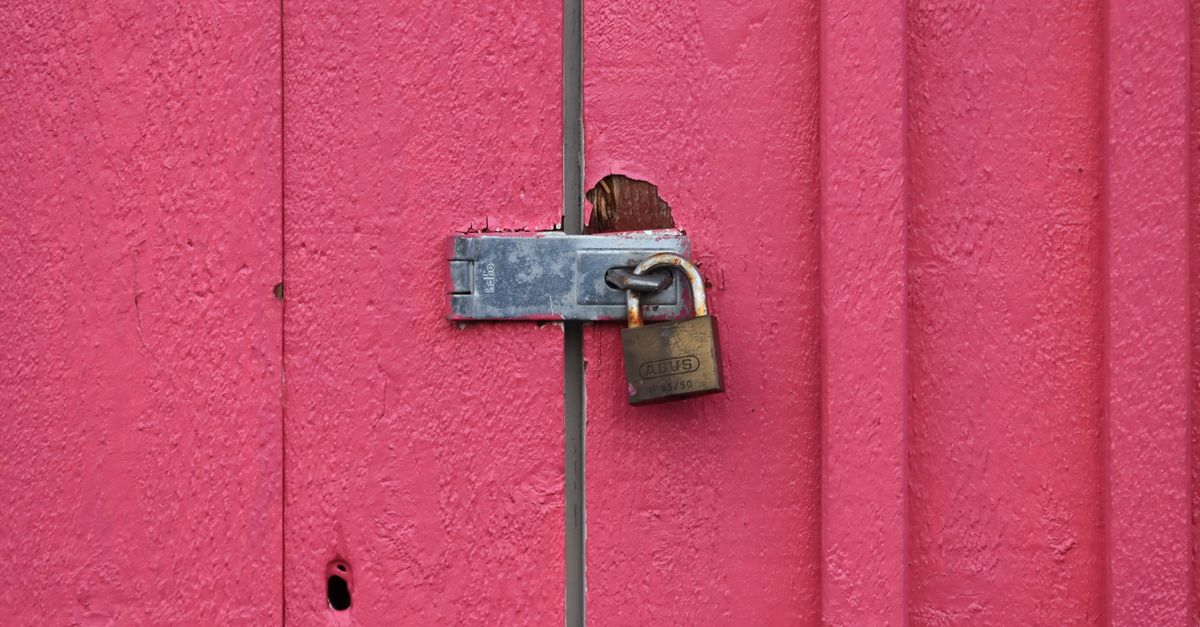
An auto locksmith focuses on vehicle lockouts, transponder key programming, and ignition work. While some technicians cover all three categories, it is worth asking before you call whether the company handles your specific situation. Our mobile team at Bronx Key Locksmiths is equipped for residential, commercial, and automotive lockouts across the Bronx and greater New York area. A full list of what we handle includes: home lockouts, car lockouts, office lockouts, lock picking, lock bypass, lock drilling and replacement, deadbolt installation, mortise lock installation and repair, door knob lock replacement, rim lock installation, high-security lock upgrades, rekeying existing locks, master key systems, key duplication, transponder key cutting, key fob programming, ignition repair, emergency door opening, padlock removal, mailbox lock service, garage door lock service, file cabinet lock service, safe opening and combination changes, commercial access control installation, and 24/7 emergency locksmith dispatch throughout the New York metro area. That is a wide range — and having one trained team who can handle any lock situation means you are never left searching for a specialist in the middle of the night.
## How Do I Know If a Locksmith Is Legit? Protecting Yourself in New York
This is one of the most important questions a homeowner or renter can ask, and it deserves a direct answer. In New York State, locksmiths are required to register with the Department of State — so the question of whether a locksmith needs a license to operate in NY is not hypothetical. You can and should ask any locksmith you call for their New York State registration information. Beyond that, a trustworthy locksmith will always verify your identity before opening any lock, arrive in a marked vehicle, provide a written or verbal quote before starting work, and be transparent about their methods. Be cautious of anyone who quotes a very low number over the phone and then dramatically increases the price on-site — that pattern is a known issue in the industry and it is not how legitimate operations work.
Knowing whether a locksmith is insured is also important. Bronx Key Locksmiths is insured, meaning that if anything goes wrong during a service visit, you are protected. Our technicians are experienced professionals who treat your property with care — they are not going to scratch your door, gouge your frame, or destroy a functional lock when a non-destructive method is available. When people ask which security company is the best option in New York, the honest answer is to look for one that is transparent, verifiable, locally established, and willing to explain every step before they start. We are proud to be that kind of company for the Bronx and the broader New York area. For urgent help — whether you are locked out tonight or need a mortise lock serviced tomorrow — call (347) 202-6675. We answer 24/7.
## Prevention: The Steps to Take Before You Ever Need an Emergency Locksmith
The best lockout is the one that never happens. A few practical habits can dramatically reduce your chances of ending up stranded. First, have a spare key made and store it with a trusted neighbor or family member — not under a doormat or above the door frame. Second, if you are moving into a new apartment or home, rekey the locks immediately. You have no way of knowing how many copies of the original key exist. Third, evaluate your lock hardware honestly. A worn door knob lock with a loose cylinder is not just inconvenient — it is a security vulnerability. Upgrading to a properly installed deadbolt or mortise lock is one of the most cost-effective security improvements you can make.
Finally, save the number of a trusted local locksmith before you need one. When you are panicked at 2 a.m. outside your building in Fordham or Pelham Bay, you do not want to be scrolling through unknown results trying to figure out who is legitimate. Store (347) 202-6675 in your phone now. Bronx Key Locksmiths is a 24/7 mobile locksmith serving the New York area — when you call, a real person answers and a trained technician heads your way.
## Find a Locksmith in Your Area: Why Local Matters in the Bronx and New York
When people search for an urgent locksmith in New York City, what they actually need is someone who can reach them quickly, knows the neighborhood, and will not get lost trying to find a specific building entrance on a narrow Bronx side street. A local mobile locksmith has a meaningful advantage here. Our team knows the streets, the building types common to the Bronx — from the prewar walk-ups near Arthur Avenue to the larger residential complexes near Yankee Stadium — and the kinds of lock hardware that show up most often in this borough. Older buildings in the Bronx frequently feature mortise locks that have been in place for decades, and servicing them correctly requires genuine familiarity, not a one-size-fits-all approach.
Being local also means accountability. We are not a call center dispatching a random contractor from wherever happens to be available. When you call Bronx Key Locksmiths, you are reaching a team that is rooted in this community and that depends on its reputation here. That is a very different relationship than booking through an anonymous directory and hoping for the best. If you need to find a locksmith for your area of the Bronx or greater New York right now, the number to call is (347) 202-6675.
## Understanding Rim Locks and Specialty Hardware: What a Pro Should Know
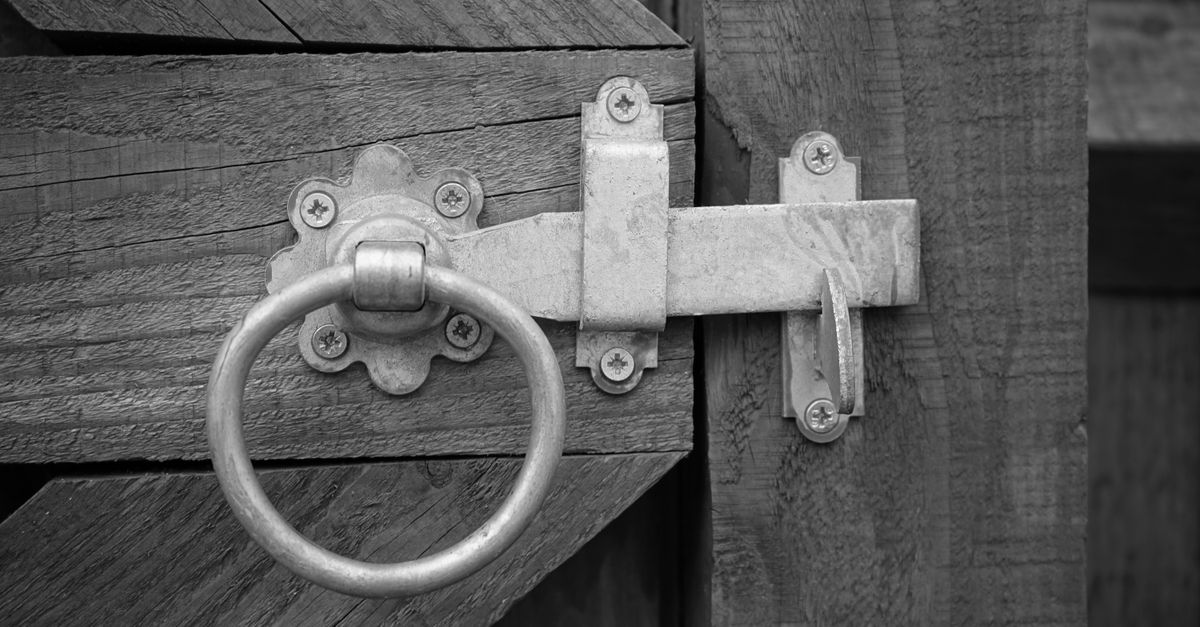
Not every lock you encounter is a standard deadbolt or door knob lock. Rim locks are surface-mounted locks attached to the face of the door rather than mortised into it — they are common in older New York apartment buildings and still found on secondary doors, gates, and some commercial applications. Understanding how a rim lock works means recognizing that it operates via a spring latch or deadbolt that engages with a strike box mounted on the door frame, all secured from the outside by a key cylinder and from the inside by a thumb-turn or handle. Because rim locks sit exposed on the door surface, they require a specific approach to service without causing damage to the door itself.
You may also encounter the phrase rim lock in entirely different contexts — for example, a rim lock on a dirt bike or motorcycle is a device that clamps the tire's inner tube bead to the wheel rim to prevent it from spinning under hard braking. That application has nothing to do with door hardware, but it is worth knowing the distinction so you are not confused if the term comes up. For all door-related rim lock installation, repair, or emergency opening needs, our team has the experience and tools to handle it correctly.
## Why the Right Method Protects Both Your Lock and Your Budget
Every time a lock is drilled rather than picked or bypassed, it means a replacement lock is now on the table. Depending on the lock — a standard door knob lock versus a high-security mortise lock — the cost difference between a non-destructive opening and a destructive one can be significant. The factors that determine your final quote include the type of lock involved, whether parts need to be sourced or replaced, the time of day (overnight emergency response involves different logistics than a daytime appointment), and travel distance to your location. What never changes is our commitment to confirming that price with you before any work begins.
Protecting your lock hardware also matters long-term. A mortise lock that has been properly picked and serviced will continue to function at full security capacity for years. One that has been drilled needs to be replaced immediately, and if the door frame was damaged in the process, that adds another layer of repair. Choosing a trained professional who prioritizes non-destructive methods is not just better for the lock — it is better for you.
## Can a Locksmith Install a Deadbolt? Upgrades Worth Considering After a Lockout
Being locked out is disruptive, but it also gives you a natural moment to evaluate your current lock situation. If your existing hardware is worn, outdated, or simply not up to the security demands of a busy New York neighborhood, a locksmith visit is the perfect opportunity to discuss an upgrade. A qualified locksmith can install a deadbolt while they are already on-site — whether that means adding one where none exists, replacing a failing lock, or upgrading to a higher-grade cylinder that offers better pick resistance.
Beyond deadbolts, consider whether a mortise lock installation makes sense for your front door. Mortise locks offer superior resistance to both physical attack and picking compared to standard cylindrical locks, which is why they are the preferred choice for main entry doors in commercial buildings and many upscale residential properties. A professional assessment of your current setup costs you nothing when you are already calling for service — and the information you get can shape smarter decisions about your home's security for years to come. Call (347) 202-6675 any time — our team is ready 24/7.
## Can I Trust a Locksmith? Building Confidence Before You Open Your Door
Trust is everything in this industry, because what you are ultimately doing when you call a locksmith is inviting a stranger to help you access your most private space. Here is a practical checklist for evaluating any locksmith before you let them start work. First, did they answer your identity and ownership verification request without pushback? Any trained professional expects this and welcomes it. Second, did they give you a firm price before touching anything? A legitimate technician will not start work and then reveal the cost afterward. Third, do they have a local presence — a real business address or service area you can verify, not just a phone number?
Fourth, are they transparent about their method? If a locksmith cannot explain in plain language why they are choosing a particular approach for your lock type, that is worth questioning. Fifth, are they insured? Ask directly. At Bronx Key Locksmiths, we are happy to answer all of these questions because we have nothing to hide. Our technicians are experienced, our pricing is honest and confirmed upfront, and we are available around the clock for homeowners, renters, and business owners across the Bronx and New York. The number to save is (347) 202-6675.
## Top Pros for Your Project: Matching the Right Locksmith Skill Set to Your Lock
Not all locksmith calls are equal, and not all locksmiths are equipped for every situation. A technician who specializes in automotive key programming may not have the tools or experience to service a complex mortise lock on a commercial door — and vice versa. When you are looking for top-level professional help for a specific project, the key is matching the skill set to the job. Mortise lock installation and repair, high-security residential deadbolt upgrades, commercial master key systems, and emergency vehicle lockouts all require different tools, different training, and different problem-solving approaches.
At Bronx Key Locksmiths, our mobile team is equipped to handle the full range — from a simple door knob lock rekey to a full commercial locksmith project involving access control and master key architecture. If you are planning a project rather than dealing with an emergency, we can schedule a consultation, assess your current hardware, and recommend the right upgrades for your specific building type and security goals. For urgent situations, we move fast. Either way, the starting point is the same: call (347) 202-6675 and tell us what you need.
## The Locksmiths Cost Guide: What Actually Drives the Price of a Locksmith Visit
Pricing transparency is something many customers struggle to get from service providers, so let us be direct about how locksmith pricing works. The final cost of any locksmith service is shaped by several clear factors. The type of lock involved is the biggest variable — opening a basic interior door knob lock is a different scope of work than servicing a high-security mortise lock or programming a transponder key for a modern vehicle. The time of day matters because a 3 a.m. emergency lockout involves a mobile dispatch that is logistically different from a scheduled daytime appointment. Travel distance to your location is a factor, especially across a borough as large as the Bronx. And if any parts are needed — a replacement cylinder, a new deadbolt, a cut key — those materials are part of the final quote.
What should never happen is a technician starting work and then revealing the true cost at the end. At Bronx Key Locksmiths, we confirm the complete price with you before any work begins. You know exactly what you are agreeing to. There are no hidden fees, no after-the-fact add-ons, and no pressure tactics. If the scope changes mid-job — for example, if a lock that appeared to be pickable turns out to require drilling and replacement — we stop, explain the situation, and get your approval before proceeding. That is how a trustworthy locksmith operates, and it is the standard we hold ourselves to on every call.