What Makes Hyundai Car Key Replacement More Complex Than It Looks
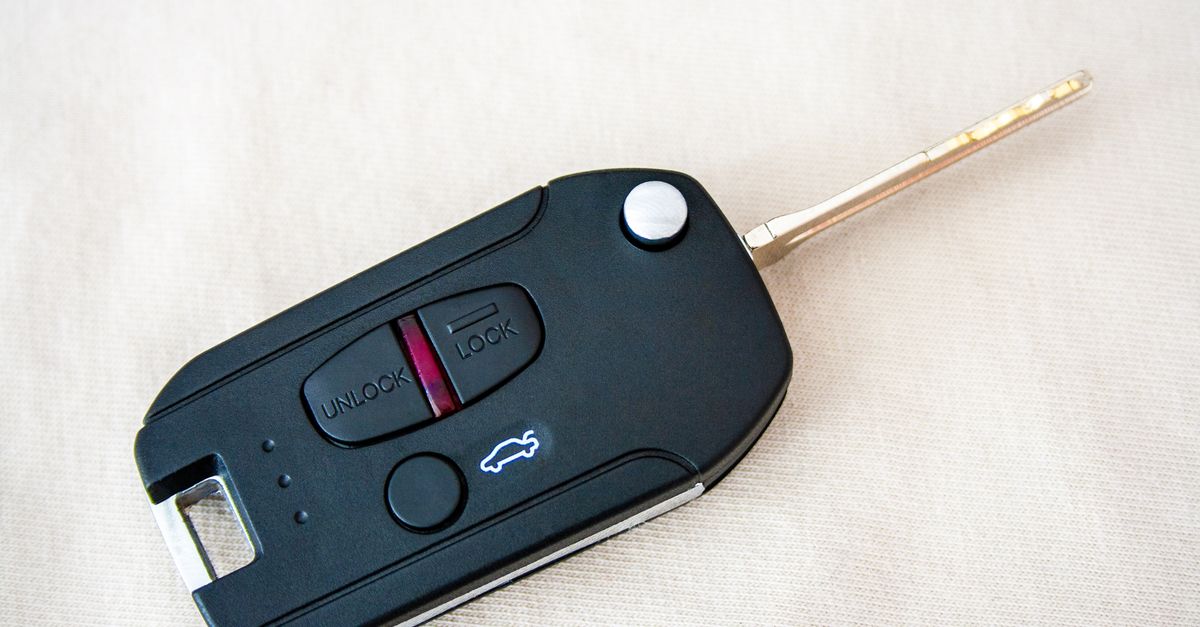
Hyundai has used several distinct key technologies across its lineup over the past two decades, and the type of key your vehicle requires dramatically affects how replacement is handled. Older Hyundai models may use a basic transponder key — a metal blade with an embedded microchip that must be cut to the exact blade profile and then programmed to the car's ECU so the immobilizer recognizes it. Mid-range models like the Sonata and Elantra frequently use flip-style fobs that combine a physical key blade with remote lock and unlock functions. Newer trims of the Tucson, Santa Fe, and Kona use proximity smart keys that allow push-button start without inserting anything into the ignition — these require VIN-specific programming that cannot be done with a generic reader.
Our technicians are trained on the full range of Hyundai key systems and carry OBD-II compatible programming tools capable of writing new key data to your vehicle's immobilizer module. We program keys on-site, which means you are not waiting for a dealer to order a part, schedule an appointment, and then tow your car in. The factors that determine your final quote include the key type required (basic transponder versus smart key), whether any keys currently in the system are being retained or all keys need to be erased and relearned, the time of day you call, and the distance our technician travels to reach you anywhere across the New York area.