Car Key Replacement by Vehicle Brand — What Makes Each Job Different
Not every replacement key is created equal, and the brand of your vehicle plays a major role in determining how the job is done. Ford and GM vehicles manufactured after the mid-1990s almost universally require transponder chip programming in addition to a mechanical cut. Toyota and Lexus models, especially those equipped with Smart Key or Proximity entry systems, require a dealer-level programming protocol that our technicians execute using professional-grade equipment right at the curb. Honda and Acura push-to-start systems, Chrysler, Dodge, and Jeep vehicles with Sentry Key immobilizers, and Hyundai or Kia smart remotes each follow distinct programming sequences — there is no universal shortcut, and attempting to use one risks locking the vehicle's immobilizer into a fault state.
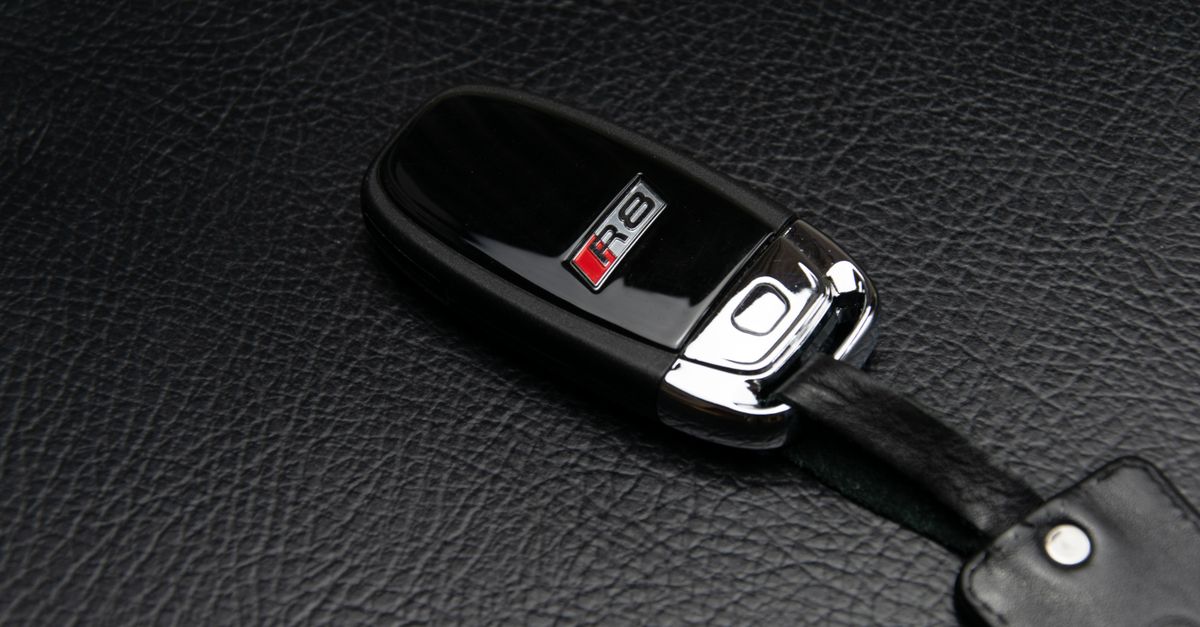
German makes such as BMW, Mercedes-Benz, Audi, and Volkswagen are among the most involved replacement jobs in the industry. These vehicles often require key-learning procedures that communicate directly with multiple control modules simultaneously. Our technicians are experienced working on these platforms and carry the equipment necessary to complete key coding without a trip to a dealership service bay. For European luxury vehicles, the factors that shape your final quote include the specific model year, the type of key system (blade-style transponder, flip key, or full proximity fob), whether existing keys are present to facilitate programming, and the parts required. We discuss all of this transparently before work begins.